
Project Management & Consultancy :-
We have a complete team including engineers, supervisors , suppliers, Labors which ensure timely completion of projects with ensured quality at minimal cost our essential framework for success are as under : :-
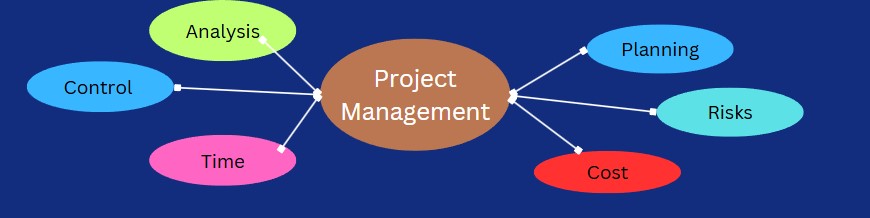
Civil works project management encompasses the planning, execution, and oversight of infrastructure projects such as roads, bridges, dams, buildings, and water supply systems. This discipline integrates technical expertise with strategic planning to deliver complex projects that meet stakeholder requirements within defined constraints. Successful management of civil works projects is vital for fostering economic growth, ensuring public safety, and enhancing quality of life.
Key Components of Civil Works Project Management
Project Planning and Feasibility Analysis
The foundation of effective civil works project management lies in thorough planning. This phase includes identifying project objectives, determining scope, conducting feasibility studies, and securing necessary approvals. Key deliverables include a detailed project charter, cost estimates, and a work breakdown structure (WBS). Feasibility analysis ensures that financial, technical, and environmental aspects are viable before proceeding.
Resource Allocation and Budgeting
Resource allocation involves deploying skilled labor, materials, and equipment efficiently. Budgeting, a critical element, involves forecasting costs for procurement, construction, and unforeseen contingencies. Tools like cost management software and earned value analysis (EVA) help track and control expenditures, ensuring alignment with the project’s financial plan.Risk Management
Civil projects face uncertainties such as environmental challenges, material shortages, and regulatory changes. Risk management identifies, evaluates, and mitigates these risks. Techniques like risk assessment matrices and scenario planning enable managers to address potential setbacks proactively, ensuring minimal impact on timelines and costs.Scheduling and Time Management
Effective scheduling ensures timely project completion, a critical factor in civil works. Tools like Gantt charts, Critical Path Method (CPM), and Project Evaluation and Review Technique (PERT) facilitate task sequencing and resource optimization. Time management also involves monitoring progress and implementing corrective measures to address delays.Quality Assurance and Control
Ensuring structural integrity and adherence to design specifications is paramount. Quality management frameworks, including ISO standards, guide project execution. Regular site inspections, material testing, and adherence to safety protocols are integral to maintaining high standards throughout the project lifecycle.Stakeholder Communication and Collaboration
Civil works projects involve multiple stakeholders, including government bodies, contractors, engineers, and the public. Clear communication ensures alignment of goals, transparency, and trust. Digital platforms and regular progress meetings streamline information flow, reducing conflicts and enhancing collaboration.Environmental and Regulatory Compliance
Adherence to environmental regulations and legal requirements is non-negotiable in civil works. Environmental impact assessments (EIA) evaluate potential effects on ecosystems, while compliance with zoning laws, building codes, and labor regulations ensures lawful project execution.
Challenges in Civil Works Project Management
Complexity of Multidisciplinary Teams
Coordinating diverse teams with varied expertise can be challenging. Effective leadership and communication are critical to ensure seamless collaboration.Budget Overruns
Fluctuations in material costs, design changes, and unforeseen issues often lead to budget overruns. Stringent cost control mechanisms and contingency planning are essential.Delays and Schedule Deviations
Factors like weather disruptions, equipment failures, and workforce shortages can affect timelines. Agile methodologies and robust time management can help mitigate such issues.Technological Adaptation
Integrating advanced technologies like Building Information Modeling (BIM), drones, and IoT in traditional workflows can face resistance. Training and gradual implementation foster acceptance and efficiency.
Emerging Trends in Civil Works Project Management
Sustainable Practices
With growing environmental concerns, sustainable construction methods like green building materials, renewable energy sources, and water conservation are gaining prominence.Digital Transformation
Technologies like BIM, Geographic Information Systems (GIS), and Artificial Intelligence (AI) are revolutionizing project design, monitoring, and decision-making.Public-Private Partnerships (PPP)
Collaborations between governments and private entities are driving infrastructure development, offering shared risks and resources for large-scale projects.Smart Infrastructure
The integration of IoT sensors and data analytics in civil works enhances real-time monitoring, predictive maintenance, and operational efficiency.
Conclusion
Civil works project management is a cornerstone of infrastructure development, demanding a blend of technical acumen, strategic planning, and adaptive leadership. As projects grow in scale and complexity, embracing innovative practices and fostering stakeholder collaboration are vital for success. By addressing challenges proactively and leveraging emerging trends, civil works project managers can ensure sustainable, efficient, and impactful infrastructure development for the future.